This data is from the NHTSA — the US gov't agency tasked with vehicle safety. Complaints are spread across multiple & redundant categories, & are not organized by problem.
So how do you find out what problems are occurring? For this NHTSA complaint data, the only way is to read through the comments below. Any duplicates or errors? It's not us.
1.) after opening the hood the rubber strip running across the top edge of the firewall (where back of hood meets) may become dislodged and fall onto the turbocharger housing. 2.) this occurs almost every time hood is opened. The last time I had to open the hood it was dark and I did not notice that it had become detached again when I closed the hood. 3.) since the rubber had caught on fire I removed it and allowed it to burn itself out on my driveway. The last time it came in contact with the turbo I was able to notice it before it actually had caught on fire, this time I was not so lucky.
While stopping or slowing down, fumes from the crankcase fill the engine compartment and come into the cab. Consumer believes that the fumes are being caused by the open crankcase system and states that this is an environmental and personal health hazard.
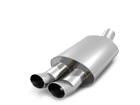
Part of the interior breaks off and blocks the exhaust which causes a loss of power - has occurred on the highway which is especially dangerous when passing another vehicle.
Excessive crankcase oil vapors entering passanger compartment caused by the improper placement of the engine open vent system.the heavy smell and vapors will burn your eyes and cause a person to become sick I feel this is a very serious health and safety issue that must be addressed. The problem has only occurred while driving at slow speeds or while stopped at signals etc. The vapors and smell will dissipate some after two to three thousand miles after each oil change but returnes after each oil change. I've been informed by dealers this is a problem but they have no rsolve at this time.


A D V E R T I S E M E N T S
- Walnut Springs, TX, USA